Annual Milestones & Highlights
2022 was our best year yet. We provided more uniforms than ever before and had our largest fundraising year to date.
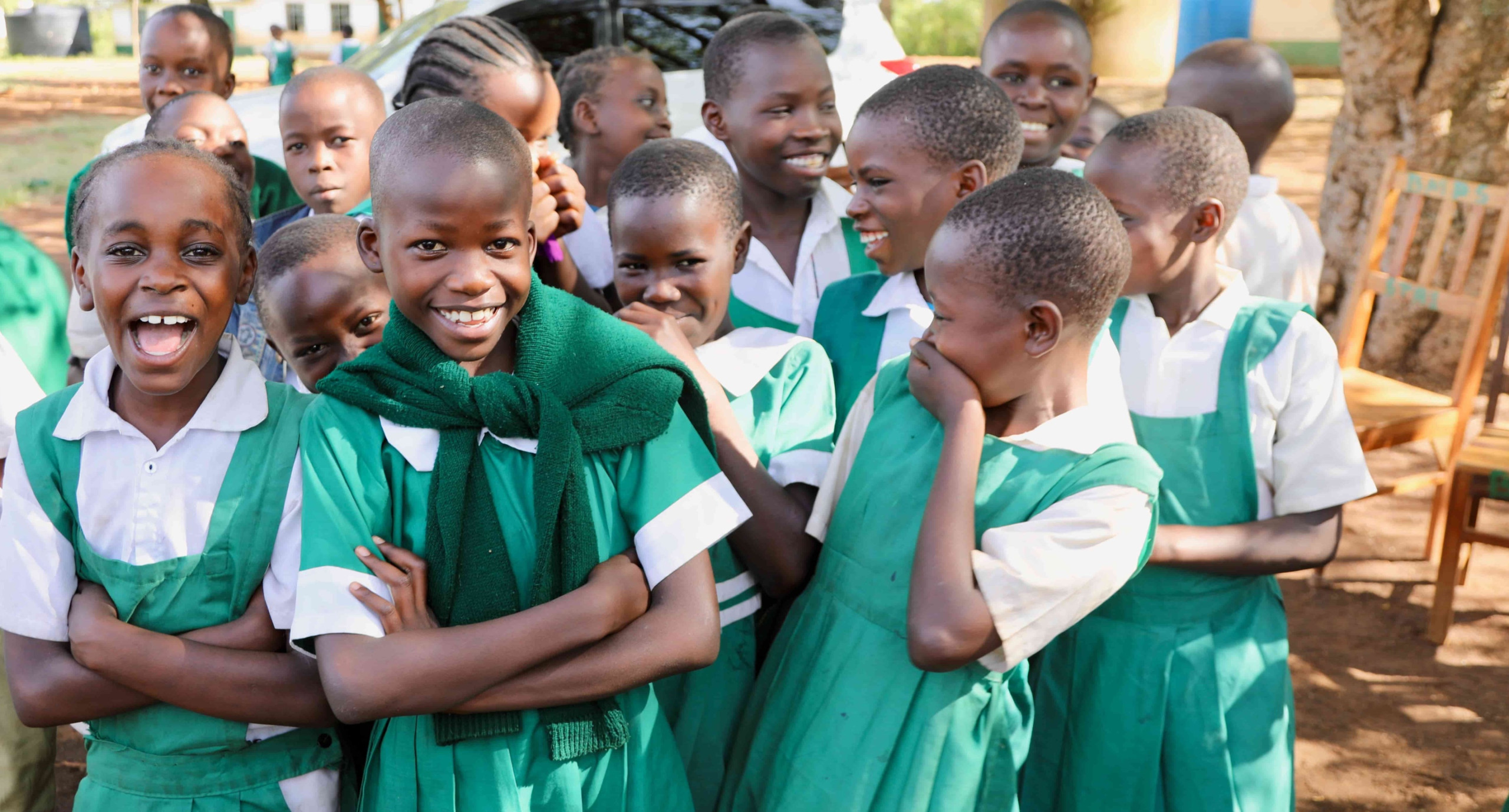
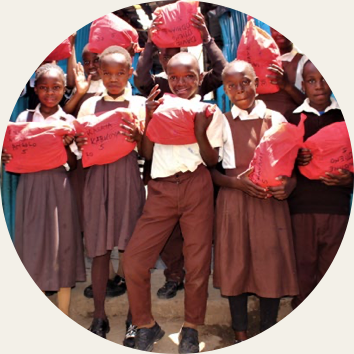
Increased Enrollment
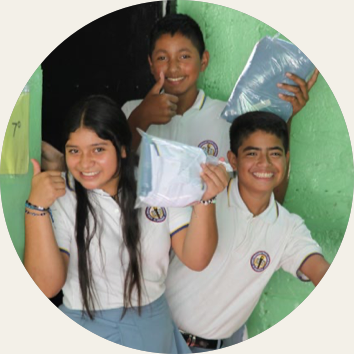
High Student Attendance
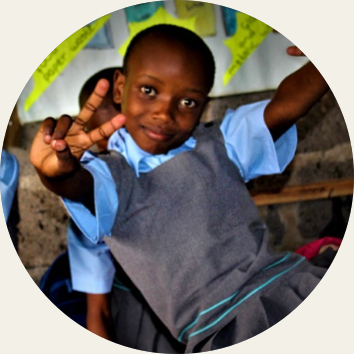
Improved Academics
Our Mission
We increase school enrollment and create economic opportunity by providing the world’s most vulnerable children with locally made school uniforms.
2022: Impact by the Numbers
Despite challenges—such as increased cost of materials and food shortages, which forced some families to prioritize work over school—we still managed to achieve so much in 2022.
15
Projects funded with 15 partners in 9 countries
23,198
Uniforms provided to children at 145 schools
$967,000
Raised
97.5
Cents on the dollar went to uniforms
300+
Tailors and support staff employed
Program Impacts
More Children in School
We believe every child deserves an education, regardless of where they were born or their family’s income and a uniform should not stand in their way. Through education we can end the cycle of poverty.
Sense of Agency
Uniforms instill or increase student confidence, pride, self esteem and self worth. Class participation increases and improves when students feel comfortable and at ease.
Safety
When a child is in school, exposure to risks such as gang recruitment, kidnapping, child labor and trafficking are reduced.
Economic Opportunity
All of our uniforms are made by local tailors earning fair wages.
Better and Safer Schools
Parents who can afford it pay $1 to $3 into a Parent Contribution Fund. Parents and school administrators then decide how to allocate it. This allows parents to have ownership in their child’s education and schools become safer, cleaner and more technologically advanced.
Community Engagement
Increased economic opportunity from locally made uniforms and school improvements from the Parent Contribution Fund create strong and stable communities.
Donors in Action
It was you, our donors, who made this our best year EVER.
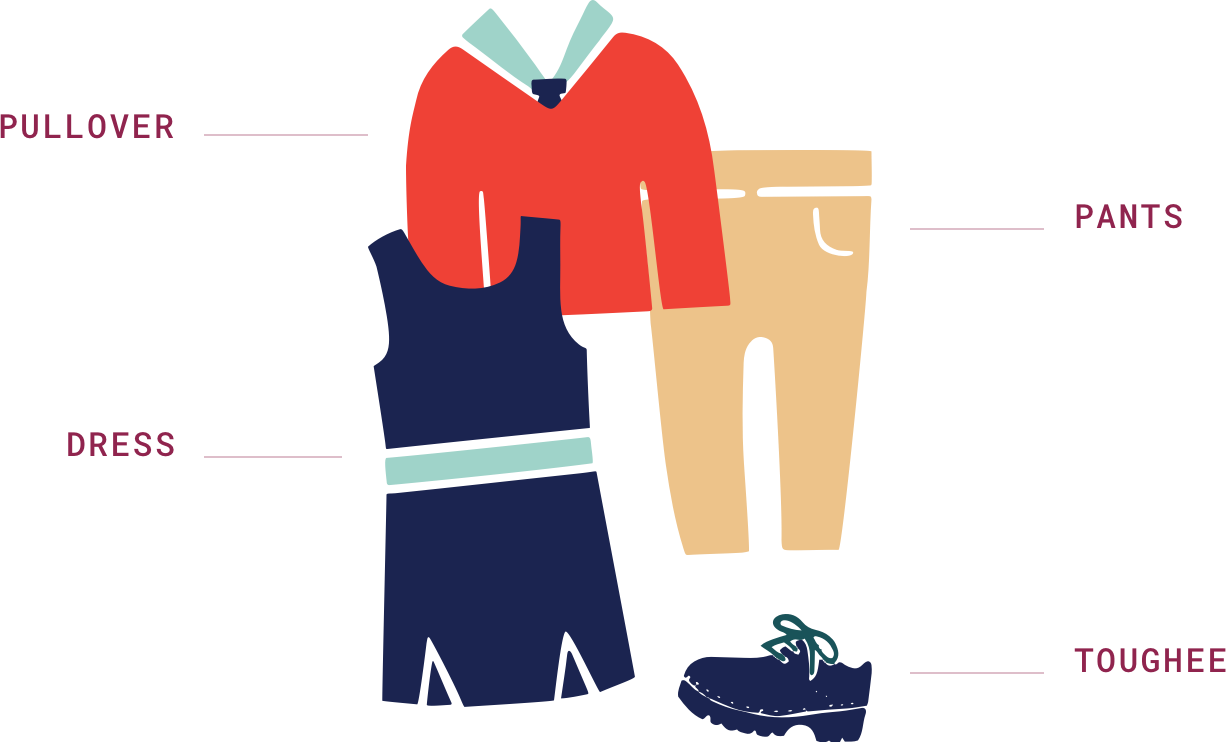
What’s in a Uniform?
You provide our students with their full uniform that they wear every day, for the entire school year. While it varies by project, typically a uniform includes a shirt, pants or dress or skirt, sweater or blazer, shoes, socks and underwear. For Secondary school girls, we also provide a sports bra.
Listen to our Voices
2022 was our best year yet. We provided more uniforms than ever before and had our largest fundraising year to date.
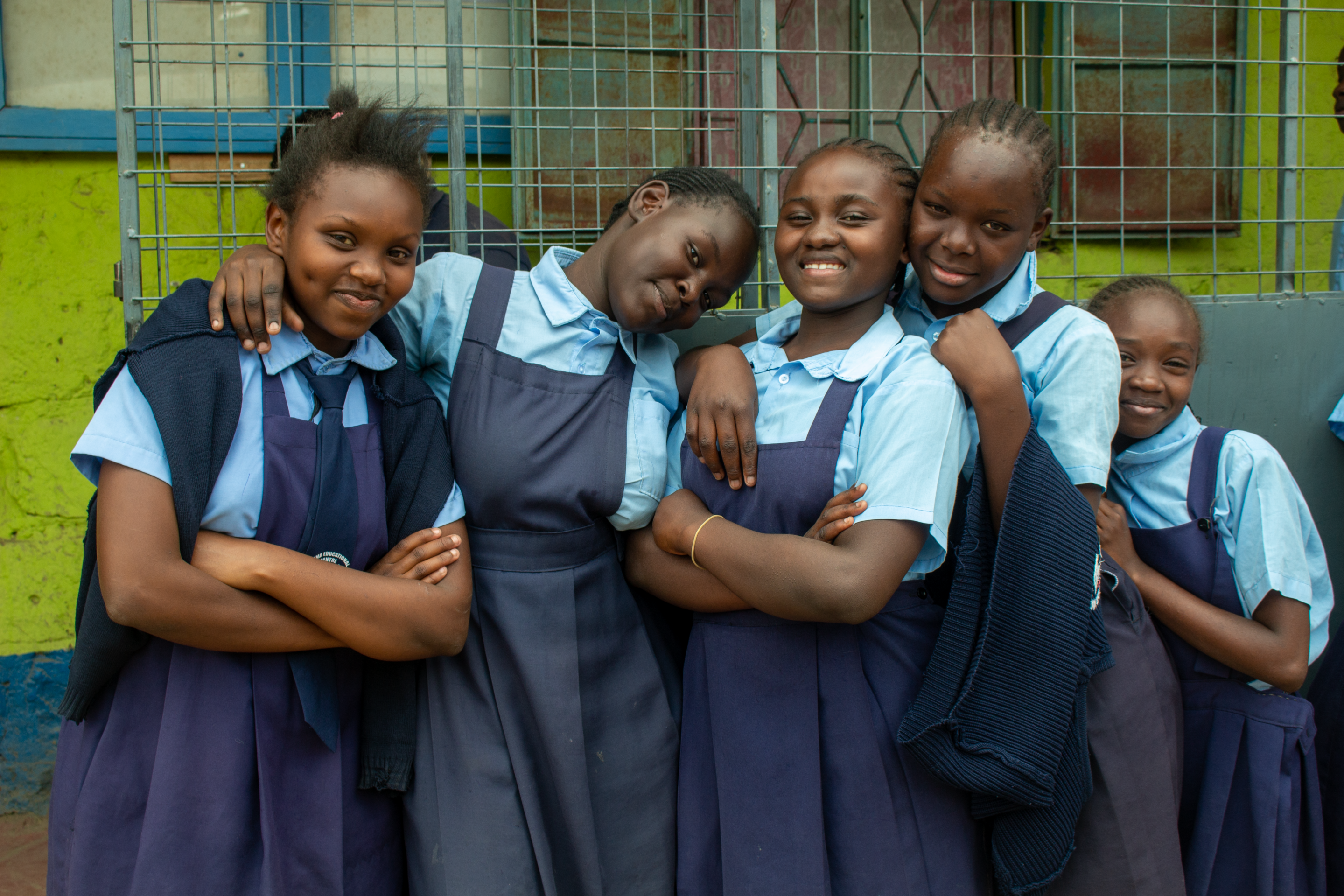
Some of our Student Voices
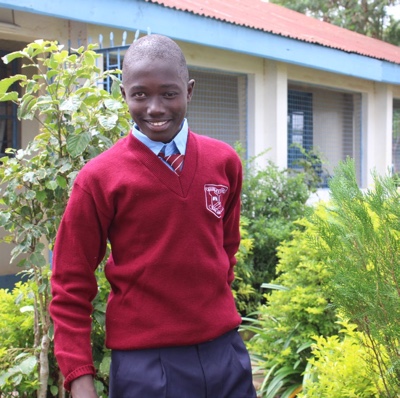
“The uniform I have received today will help me gain courage and self esteem.”
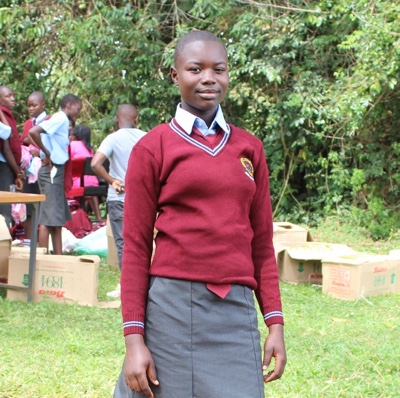
“School uniforms are important because they can make a student focus her mind on what the teacher is teaching.”